



A second home in La Jolla should work for everyday stays, long absences, and everything in between.
The appeal of a second home in La Jolla is obvious: ocean access, mild weather, and a reliable place to unwind. But how a property performs during a weekend tour and how it functions over months of part-time living are two very different things.
Whether you plan to spend your winter vacation in Southern California or visit for brief summer retreats, auditing structural resilience, HOA rules, property oversight, and neighborhood traffic ensures your home remains an effortless sanctuary rather than an administrative burden. This due diligence playbook outlines eight critical details to verify before you purchase a secondary home in La Jolla real estate.
Table of Contents:
- 1. Coastal wear, drainage, and hillside conditions
- 2. Insurance policies and property-specific risks
- 3. HOA rules, reserve funds, and owner obligations
- 4. Property oversight and vacant home management
- 5. Guest policies and short-term rental regulations
- 6. Vehicle parking and site accessibility
- 7. Neighborhood dynamics during peak seasonal periods
- 8. Dedicated recreational and long-term storage
- Frequently asked questions
- Make sure your second home works beyond vacation stays
Key takeaways
- Environmental conditions shape upkeep: Salt air, coastal fog, and hillside drainage demand proactive property maintenance schedules.
- Local rules govern usage: HOA covenants and San Diego city licensing dictate short-term rental ability and guest policies.
- Operational logistics matter when you are away: Remote access, reliable vendor keyholding, and adequate off-street parking prevent friction in daily management.
1. Coastal wear, drainage, and hillside conditions
Ocean salt air, marine moisture, and the terrain dictate how real estate ages along the La Jolla coast. Take a minute to review maintenance records; these documents can reveal long-term operational costs. Meanwhile, a detailed inspection highlights immediate site needs.
Coastal and hillside homes require different types of physical due diligence:
| What to check on a coastal home | What to check on a hillside/bluff home |
|---|---|
|
|
These physical checks matter because La Jolla’s environment affects every neighborhood differently, from severe salt spray along Lower Hermosa to complex soil mechanics on Mount Soledad. In fact, the City of San Diego’s La Jolla Community Plan highlights coastal bluffs, steep canyons, and hillside slopes where fault lines or landslide potential require specialized geotechnical review.
2. Insurance policies and property-specific risks
Request insurance quotes for the exact address early in your search; policy availability and premiums vary across the La Jolla real estate market. Second-home policies frequently include strict vacancy conditions. Ask your insurance broker these key questions upfront:
- Are there vacancy clauses that limit coverage if the residence sits unoccupied for extended periods?
- What policy endorsements are required for plumbing leaks or water damage occurring between visits?
- Does the home require separate deductibles or riders for windstorm, brush fire, or hillside movement?
If you are thinking of buying a condo instead, review where association coverage stops. The California Department of Insurance’s residential insurance guide highlights how important it is to see where the HOA’s master policy ends and your individual HO-6 policy begins, ensuring appropriate coverage for interior improvements, personal belongings, and earthquake exposure.
3. HOA rules, reserve funds, and owner obligations
Buying a condo or home for sale in La Jolla within a homeowners association means confirming that community regulations align with your lifestyle expectations. California disclosure laws require sellers to provide complete association documentation, so you can easily ask for and review:
- CC&Rs and bylaws: Confirm rental restrictions, minimum lease durations, or guest policies that affect part-time occupancy.
- Reserve studies and budgets: Verify reserve funds are adequately funded for scheduled capital improvements.
- Board meeting minutes: Identify upcoming special assessments, active litigation, or planned structural repairs.
- Insurance summaries: Delineate structural components maintained by the association versus those managed by the owner.

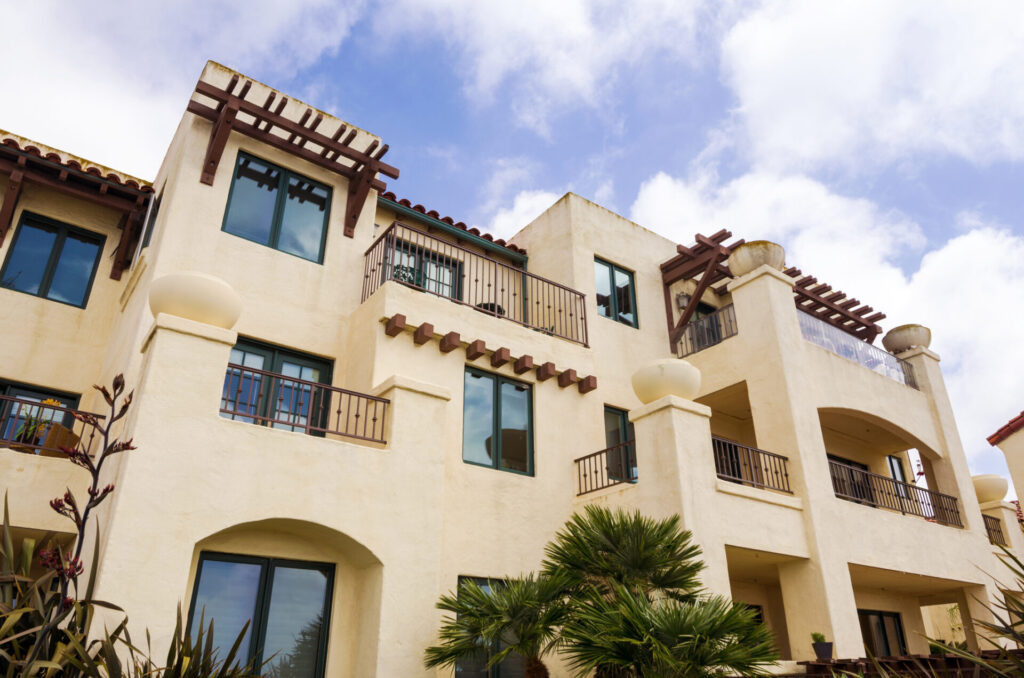
The property itself should be checked as closely as the view, setting, and neighborhood.
4. Property oversight and vacant home management
When you maintain a second home, you need to have an intentional plan for periods when the home sits empty. While securing a lock-and-leave condo can be as simple as leaving a spare key with a trusted neighbor or property manager, managing a larger detached home or hillside estate involves broader coordination.
As you tour prospective homes for sale in La Jolla, evaluate whether the property accommodates the following:
- Smart home infrastructure: The property should incorporate integrated remote lock controls, security camera systems, and automated water shut-off sensors.
- Weather readiness: Simple exterior access allows for quick post-storm inspections following severe winter rain events.
- Vendor access: Established entry pathways ensure seamless service for recurring pool maintenance, landscaping, and mechanical upkeep.
- Secure keyholding: Reliable access protocols give local service providers or emergency managers quick entry during urgent repair calls.
5. Guest policies and short-term rental regulations
Navigating La Jolla real estate requires checking local rules early, whether you plan to host family visits or rent the home out while you are away. HOAs often set strict limits on minimum lease lengths, visitor parking, and guest registration, so you will want to read the bylaws carefully before moving forward.
If you plan to rent the property out for short-term stays under 30 days while you are away, City of San Diego rules also apply. The City requires a Short-Term Residential Occupancy (STRO) license for short stays—and since existing licenses disappear when a home changes hands, you cannot rely on a seller’s current permit.
6. Vehicle parking and site accessibility
Testing the drive and parking setup during a tour prevents daily friction after you move in. Public spots like the Kellogg Park lot near La Jolla Shores fill up fast on summer weekends, making dedicated off-street parking essential.
When viewing La Jolla homes for sale, do not forget to audit physical access:
- Village condos: Walk the route from assigned garage spaces to the front door carrying heavy luggage or supplies.
- Hillside estates: Navigate steep driveways and turnaround areas in your primary vehicles to ensure comfortable clearance.
- Beach homes: Confirm off-street parking capacity accommodates guests when street parking fills during high season.
7. Neighborhood dynamics during peak seasonal periods
Neighborhood traffic and activity shift significantly by day and season. A quiet weekday morning tour gives one impression, but a summer weekend visit shows how crowded the streets and parking can actually get. Some city planning documents even note that seasonal visitors increase local congestion, with similar traffic shifts around the Cove and the Village.
Before committing to a home for sale in La Jolla, make sure to test:
- Drive times along key routes like Torrey Pines Road, La Jolla Parkway, and Interstate 5 during peak commute hours.
- Access to grocery stores and dining spots when weekend tourist traffic reaches its peak.
- Neighborhood street parking availability and foot traffic levels when nearby beaches fill up on summer afternoons.
8. Dedicated recreational and long-term storage
Dedicated storage transforms a second home into a seamless getaway. Storing surfboards, beach gear, bikes, and golf equipment on-site allows you to travel without extra baggage. That said, storage setups vary by housing type.
Single-family homes and hillside estates typically feature multi-car garages, basement storage, or secure side yards. In Village condos, extra space usually comes as assigned lockers or garage cabinets. Confirm exact storage allocations on title, and verify whether association rules permit e-bike charging or watercraft storage in common areas.
Frequently asked questions
-
Which La Jolla neighborhoods work best for a second home?
It depends on lifestyle priorities. The Village offers walkable urban living, La Jolla Shores provides direct beach access, and Mount Soledad or the Muirlands offer larger lots and privacy. -
What features matter most for extended seasonal stays?
Focus on functional spaces like fully equipped kitchens, dedicated laundry, home offices, and modern climate control, which become essential when living in the home for months. -
How does financing a secondary home differ from a primary residence?
Lenders evaluate second homes under distinct underwriting criteria, requiring higher credit scores, larger down payments, and greater cash reserves than primary purchases. -
What should out-of-state buyers consider before buying in La Jolla?
Out-of-state buyers need reliable local advisors for property management. Additionally, California’s Proposition 13 reassesses property taxes based on the new purchase price.
Make sure your second home works beyond vacation stays
Getting the local HOA rules, insurance requirements, and seasonal traffic right is what turns a high-end property into a hassle-free retreat—and having a team like Greg Noonan & Associates on your side brings over 40 years of coastal market experience, 2,500 closed deals, and $3.5 billion in luxury sales directly to your search.
When you are ready to explore the market or want help navigating specific neighborhood details, call our team directly at 858.400.8770 or email us to start the conversation.